


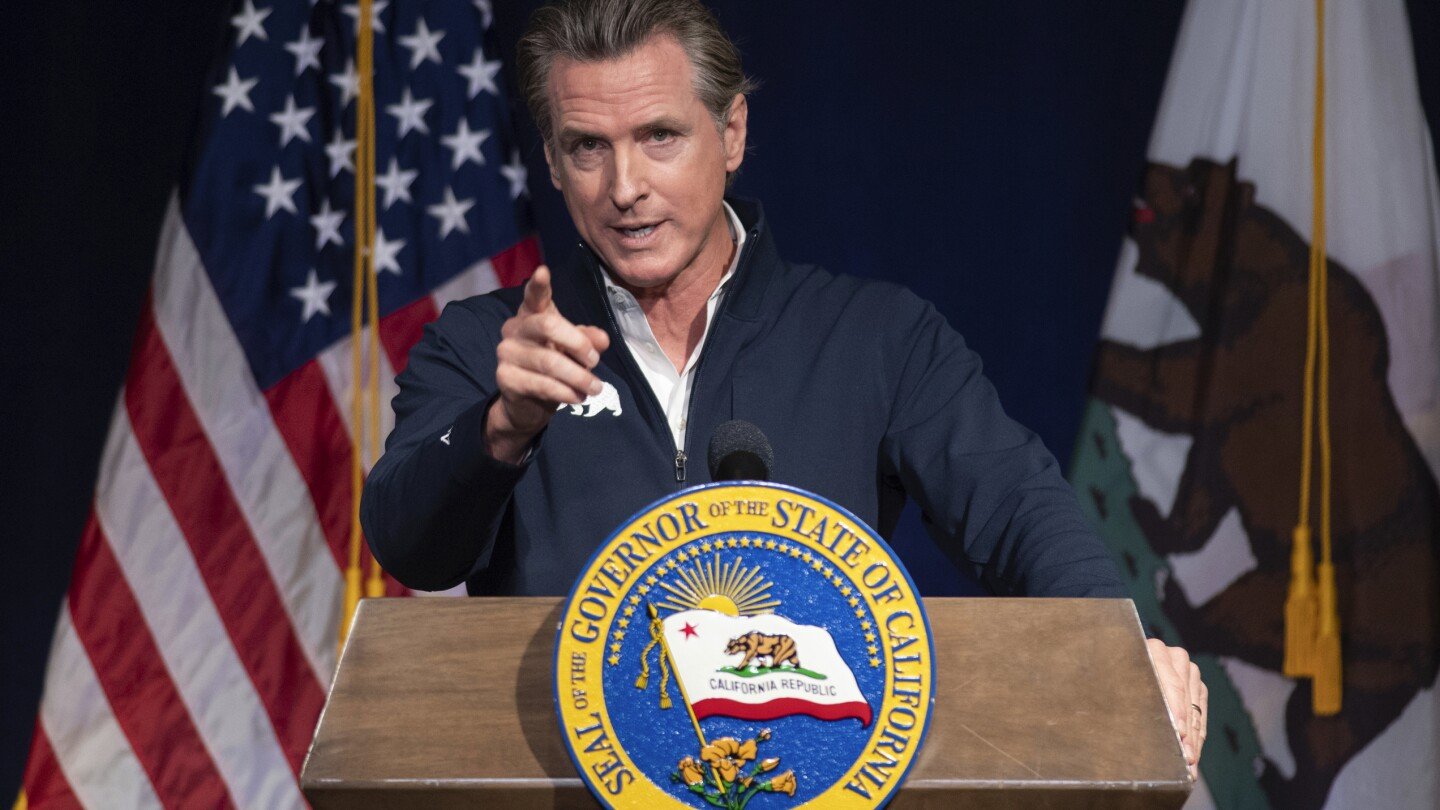
LOS ANGELES — California Governor Gavin Newsom has vetoed Senate Bill 34, a proposal that would have limited the regulatory powers of local air quality agencies overseeing the nation’s busiest ports — Los Angeles and Long Beach.
The bill would have prevented the South Coast Air Quality Management District (SCAQMD) — which regulates air pollution across Los Angeles, Orange, Riverside, and San Bernardino counties — from implementing certain rules, such as capping cargo throughput or cruise ship passenger numbers.
Those restrictions, lawmakers said, were designed to protect jobs and tax revenue tied to port activity. But environmental advocates warned the bill would cripple efforts to address the region’s worsening smog and health impacts.
“With the current federal Administration directly undermining our state and local air and climate pollution reduction strategies, it is imperative that we maintain the tools we have,” Newsom said in his veto statement. “We must encourage cooperative action at all levels to avoid the worst health and climate impacts.”
Ports at the Center of a Pollution Debate
The Los Angeles–Long Beach port complex moves billions in cargo each year and supports tens of thousands of jobs. It’s also Southern California’s single largest source of air pollution, affecting nearly 17 million residents in one of the nation’s smoggiest regions.
The SCAQMD had already paused enforcement of a 2022 Indirect Source Rule — aimed at reducing port-related emissions — to negotiate a new cooperative agreement among ship owners, terminal operators, truckers, and city officials.
SB 34’s opponents argued that codifying such a pause would effectively delay new pollution controls for up to five years, even as communities continue to face elevated health risks.
“That’s backwards,” said Fernando Gaytan, senior attorney at Earthjustice. “Rulemaking needs to stay on the table until there’s a real plan for reducing pollution at the ports.”
Next Steps
The SCAQMD board is scheduled to vote on the proposed rulemaking pause on November 7. Newsom’s veto allows regulators to keep their full authority as negotiations continue.
Both environmental groups and port operators cautiously praised the decision — albeit for different reasons.
- Environmental advocates see the veto as a victory for public health.
- Port employers, meanwhile, welcomed the move because the bill, backed by unions, could have slowed progress on port automation initiatives.
The debate reflects California’s ongoing balancing act between economic growth and environmental responsibility — a dynamic that remains especially visible along the freight corridors that connect Los Angeles, Long Beach, and the Central Valley.
