






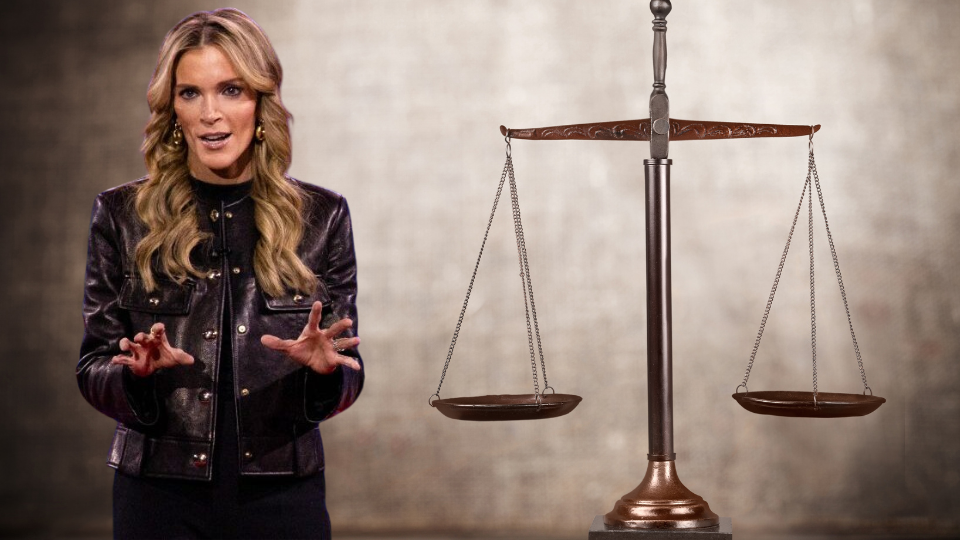
The conservative movement is facing one of its ugliest internal rifts in years — a fight fueled by conspiracy theories linking Israel to the assassination of activist Charlie Kirk. At the center of that storm stands Megyn Kelly, who, despite mounting pressure, has chosen silence over condemnation.
A Movement Torn by Conspiracy
Since leaving mainstream television, Kelly has built a powerful online platform — more than 4 million YouTube subscribers and one of the country’s top right-wing podcasts. Her growing influence has made her response to the MAGA movement’s latest eruption especially revealing.
After Kirk’s death, online rumor mills claimed Israel was involved — a baseless theory amplified by Tucker Carlson and Candace Owens. Both hinted that Kirk’s criticisms of pro-Israel donors had made him a target. Owens even implied that his death came just as he planned to “break with Israel,” while Carlson compared Kirk to Jesus “killed for telling the truth.”
The rhetoric set off a flood of antisemitic memes, forcing even Israeli Prime Minister Benjamin Netanyahu to publicly deny any Israeli role — a statement that, predictably, only fueled more online outrage.
Conservatives Sound the Alarm
Pro-Israel conservatives are warning that antisemitism is spreading inside MAGA circles. Tablet Magazine urged Trump loyalists to “Cut Tucker Loose,” while actress Patricia Heaton pleaded on social media for conservatives to stop “giving a platform to hate.”
But many high-profile figures are staying quiet — including Kelly. “If you need me to condemn Candace or Tucker for their opinions … then I may not be for you,” she wrote on X, adding that both were under pressure and deserved space. Later, she told the Fifth Column podcast, “I don’t think Tucker’s an antisemite … and I don’t really care. He’s a valuable voice.”
The Calculus Behind Her Silence
From a business standpoint, Kelly’s caution makes sense. Carlson remains one of the MAGA movement’s most influential personalities, topping Spotify’s podcast charts. Owens isn’t far behind, and extremist streamer Nick Fuentes continues to attract online followers that even former Trump officials hesitate to criticize publicly.
To alienate that audience would risk the very base that made Kelly’s post-Fox career thrive.
A Movement Consumed by Chaos
The controversy, Goldberg argues, reveals how far the right has drifted from objective truth. Conspiracy thinking — once fringe — has become mainstream. Even Trump himself recently shared an AI-generated video promoting “medbeds,” a QAnon-linked fantasy.
“If young conservatives can’t tell what’s real,” Goldberg writes, “it’s because their own movement has spent years undermining the idea of factual expertise.”
The Broader Picture
Kelly’s refusal to rebuke fellow conservatives isn’t just personal — it’s symptomatic of a larger trend: a movement unwilling to police its extremes, even as it fractures over antisemitism and disinformation.
Whether Kelly’s neutrality protects her brand or further empowers conspiracy culture remains to be seen. But one thing is clear: in the new media ecosystem of the American right, silence speaks volumes.


