







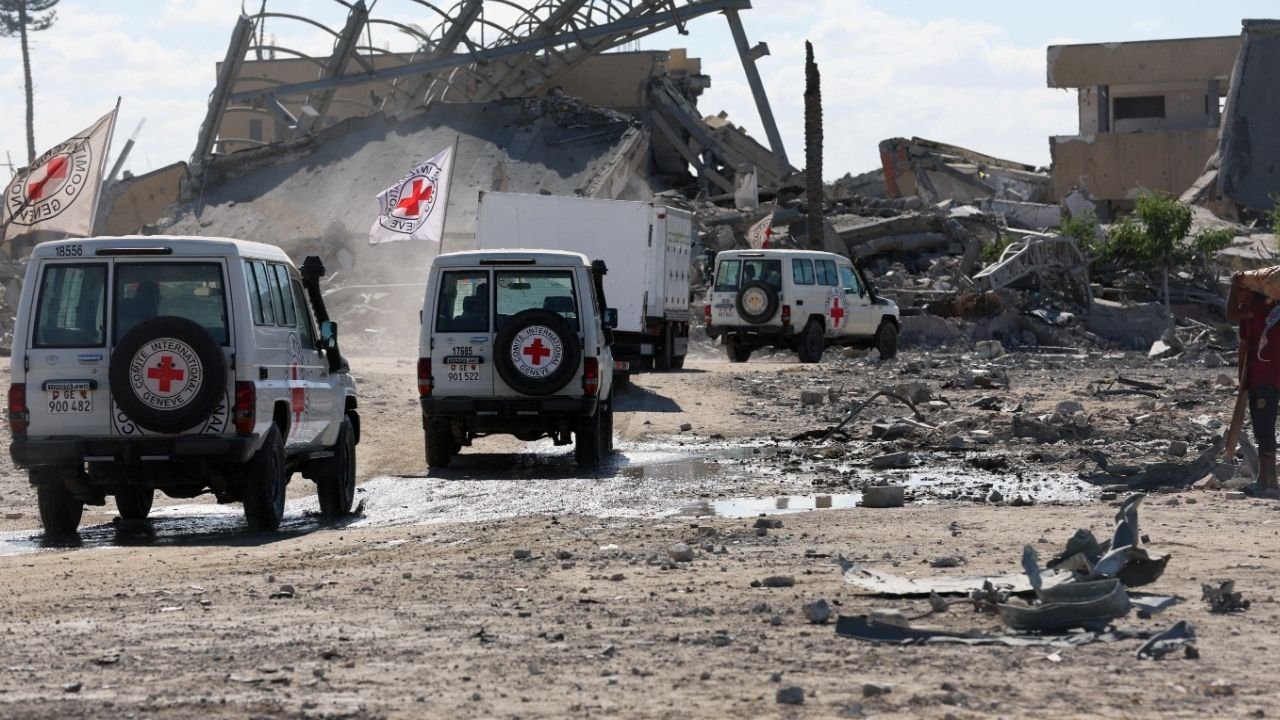
GENEVA — The International Committee of the Red Cross (ICRC) says recovering and returning the remains of those killed during the Israel-Hamas conflict will be a long and difficult process, calling it a “massive challenge” given the widespread destruction across Gaza.
The warning came as efforts continue to locate and return the bodies of more than 20 deceased Israeli hostages, days after Hamas freed the last remaining living captives under a U.S.-brokered ceasefire.
Complex Recovery Underway
So far, only four coffins containing the remains of Israeli hostages have been returned. Israel has responded by keeping a key aid crossing closed, citing delays in the body recovery process.
At the same time, Israel has begun releasing the remains of Palestinian victims as part of the same agreement, Palestinian health officials said Tuesday.
“The search for human remains is obviously an even bigger challenge than having the people alive being released. That’s a massive challenge,” said ICRC spokesperson Christian Cardon during a press briefing in Geneva. “There is clearly a risk this will take much more time.”
The ICRC has deployed 23 additional staff, refrigerated vehicles, and body bags to Gaza to help ensure remains are handled respectfully and returned under proper conditions.
“All parties must ensure that the return of human remains is done under dignified conditions,” the organization said in a statement.
Sensitive Operation Continues
Cardon declined to share details about where the deceased may be located, citing operational sensitivities. He noted that the handover of 20 living hostages earlier this week was carried out quietly and professionally — a departure from earlier, publicized transfer ceremonies.
Since the start of the conflict on October 7, 2023, the Red Cross says it has facilitated the transfer of 172 hostages and 3,472 Palestinian detainees between the parties.
As recovery teams continue to search through Gaza’s rubble, the ICRC is urging both sides to make the return of the deceased a top humanitarian priority, ensuring dignity for victims and closure for families on both sides of the conflict.


